
1. Harvester webs and transitions
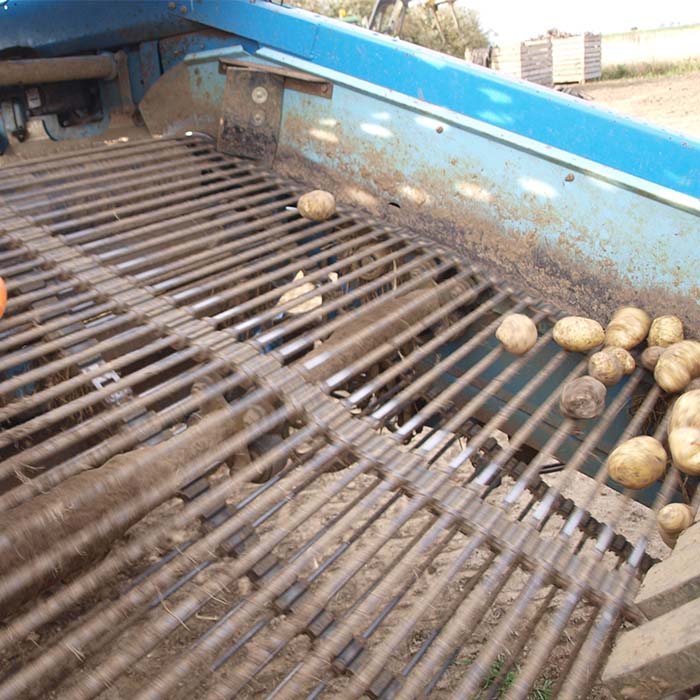
Check where potatoes move between webs, conveyors and other sections of the harvester. Drops, exposed metalwork, excessive agitation or poorly cushioned transitions can all increase the risk of impact damage.
2. Harvester discharge
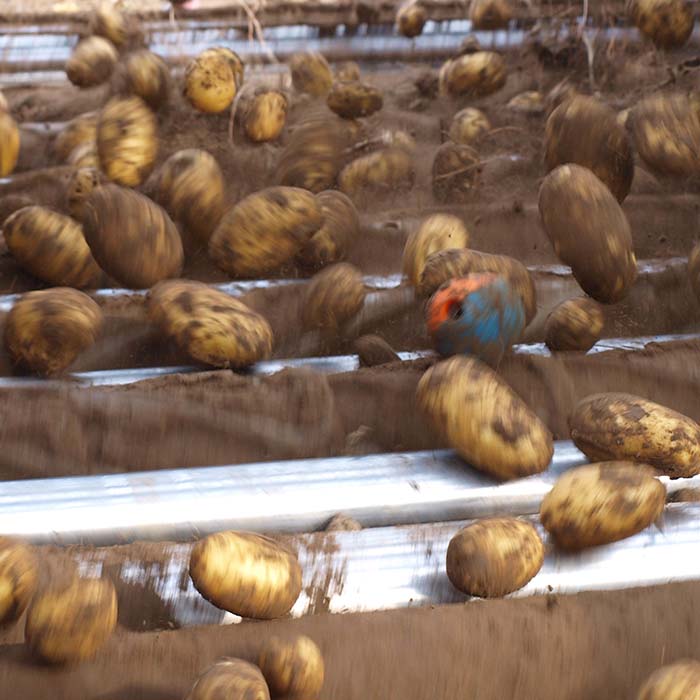
Pay particular attention to the final discharge point from the harvester. Excessive drop height into the trailer, particularly when the trailer is empty, can create some of the hardest impacts during harvesting.
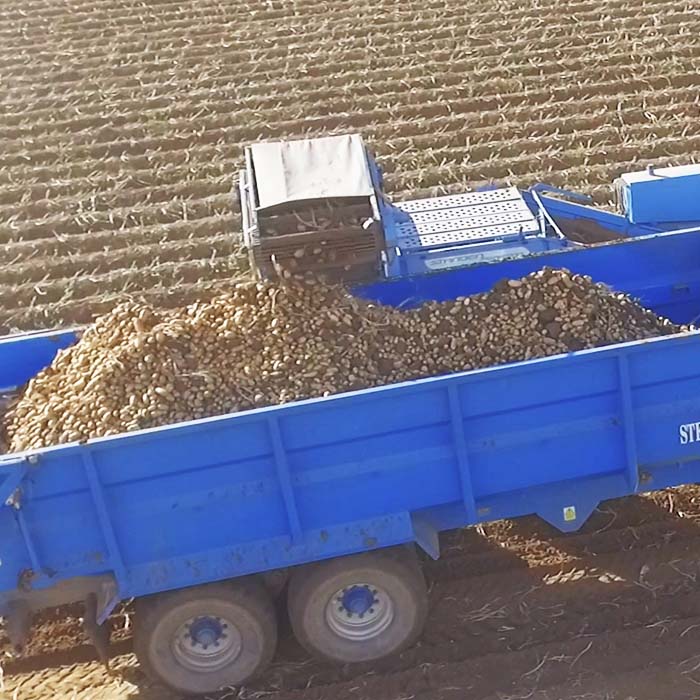
3. Trailer filling
Make sure trailers are being filled as gently and evenly as possible. Adjusting discharge height as the load builds can help minimise unnecessary drops and repeated impacts between potatoes.
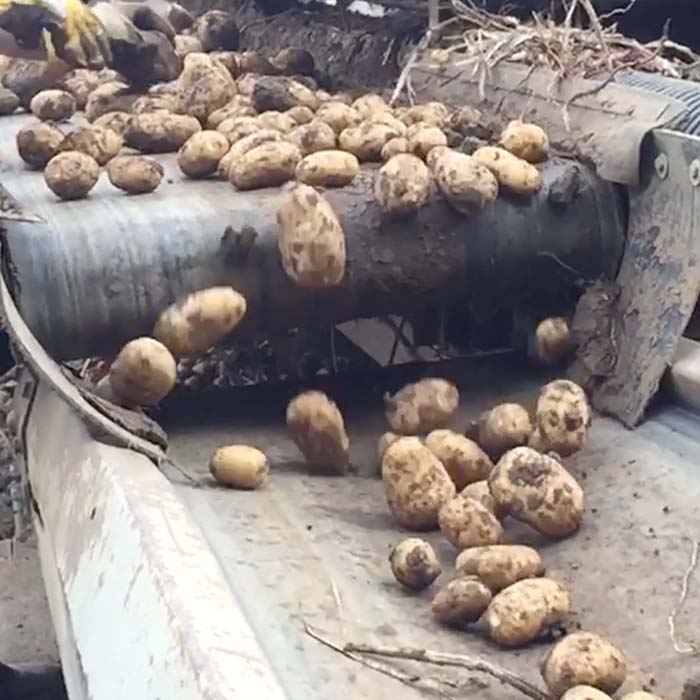
4. Trailer unloading
Damage can also occur as potatoes leave the trailer. Look for steep drops, hard surfaces and areas where crop flow becomes restricted, causing potatoes to collide or fall onto one another.
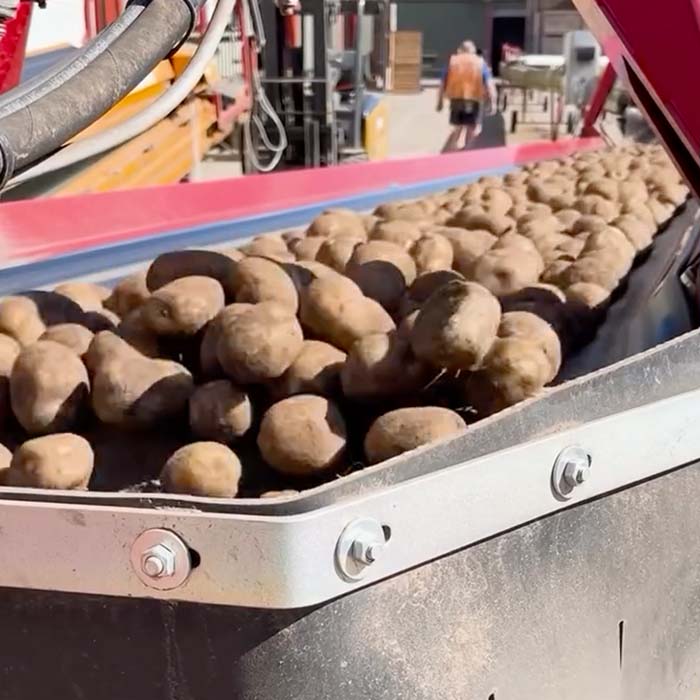
5. Store loaders and conveyors
Inspect every transfer point between conveyors, elevators and store-loading equipment. Even a relatively small drop can become significant when thousands of potatoes repeatedly pass through the same point.
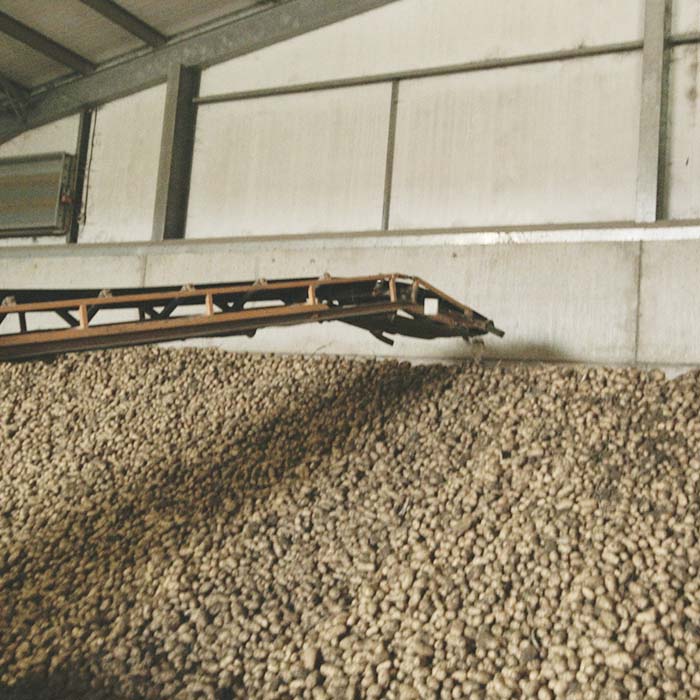
6. Store filling
Check how potatoes are being placed into the store or box. Excessive discharge height or poorly controlled filling can increase impact damage, particularly during the early stages of filling.
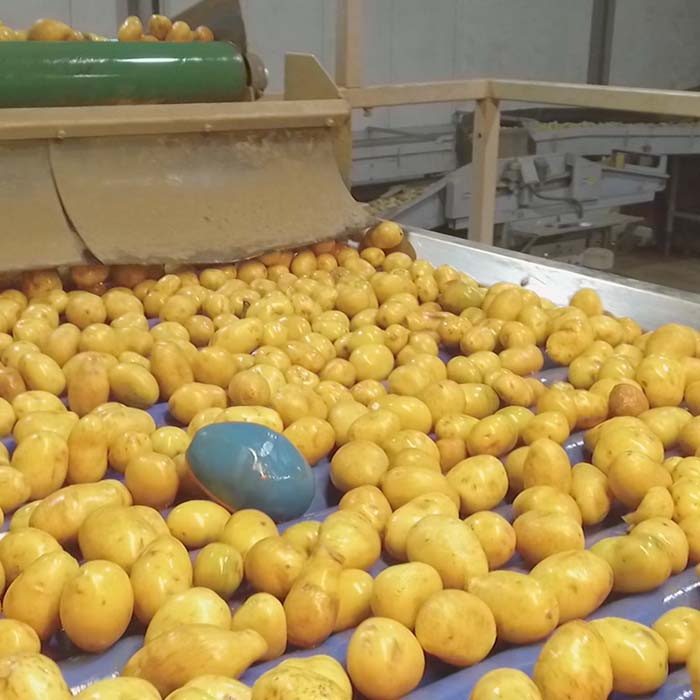
7. Grading and sizing equipment
Grading lines contain numerous potential impact points. Look closely at rollers, screens, transitions, drops and changes in direction where potatoes may strike machinery or each other.
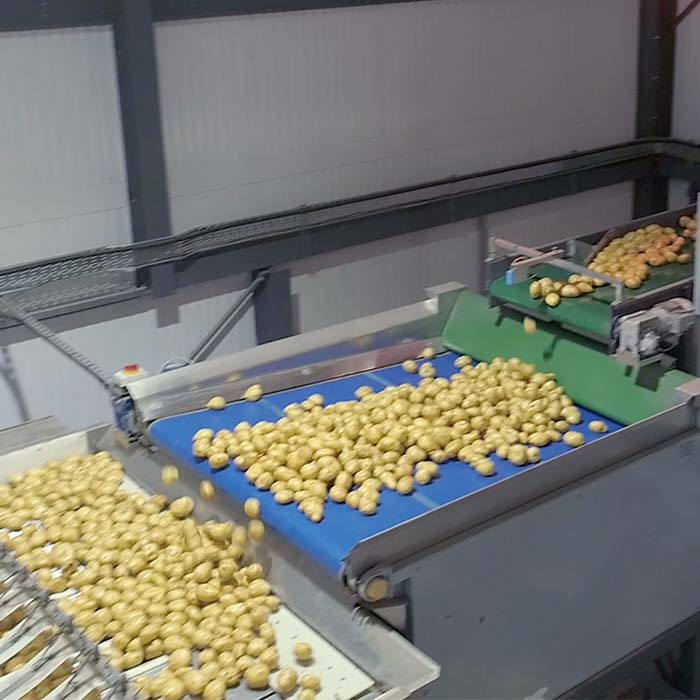
8. Packing lines
Potatoes may pass through several conveyors, weighing systems and transfer points before reaching the final pack. Check for hard contact surfaces, unnecessary drops and areas where crop flow becomes congested.
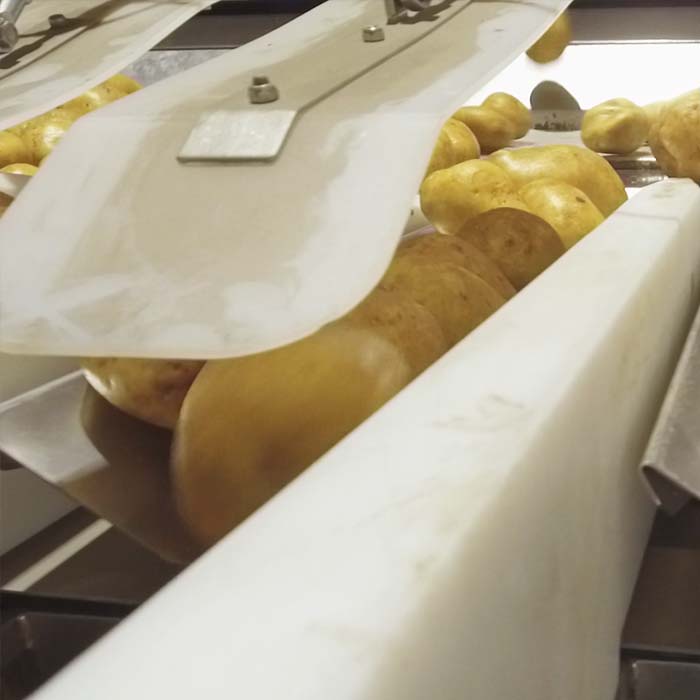
9. Processing intake
The journey does not necessarily end when potatoes leave the farm. Intake hoppers, conveyors and transfer points at processing or packing facilities can introduce further impacts, so checking damage throughout the complete handling chain can help identify where problems originate.
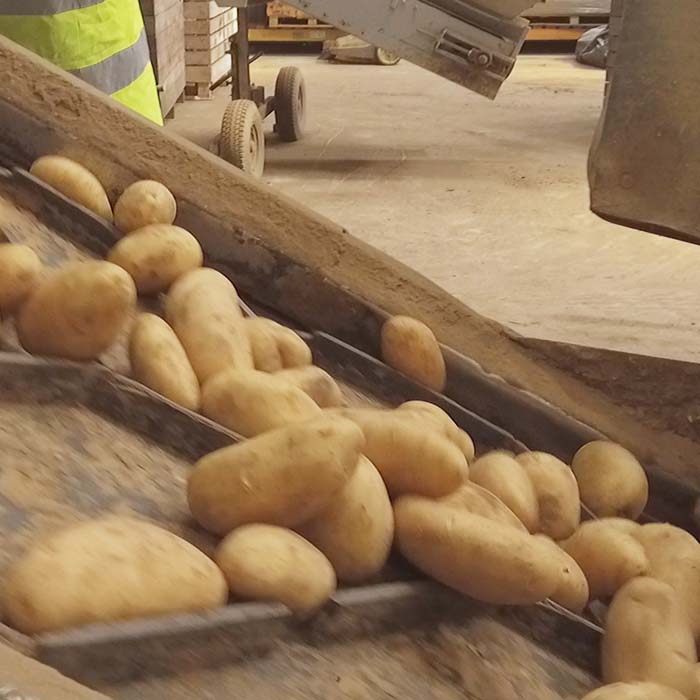
10. Hard edges and unprotected surfaces
Look for exposed metal edges, bolts, corners or worn cushioning anywhere potatoes are handled. A single poorly protected impact point can cause repeated damage to a large proportion of the crop.